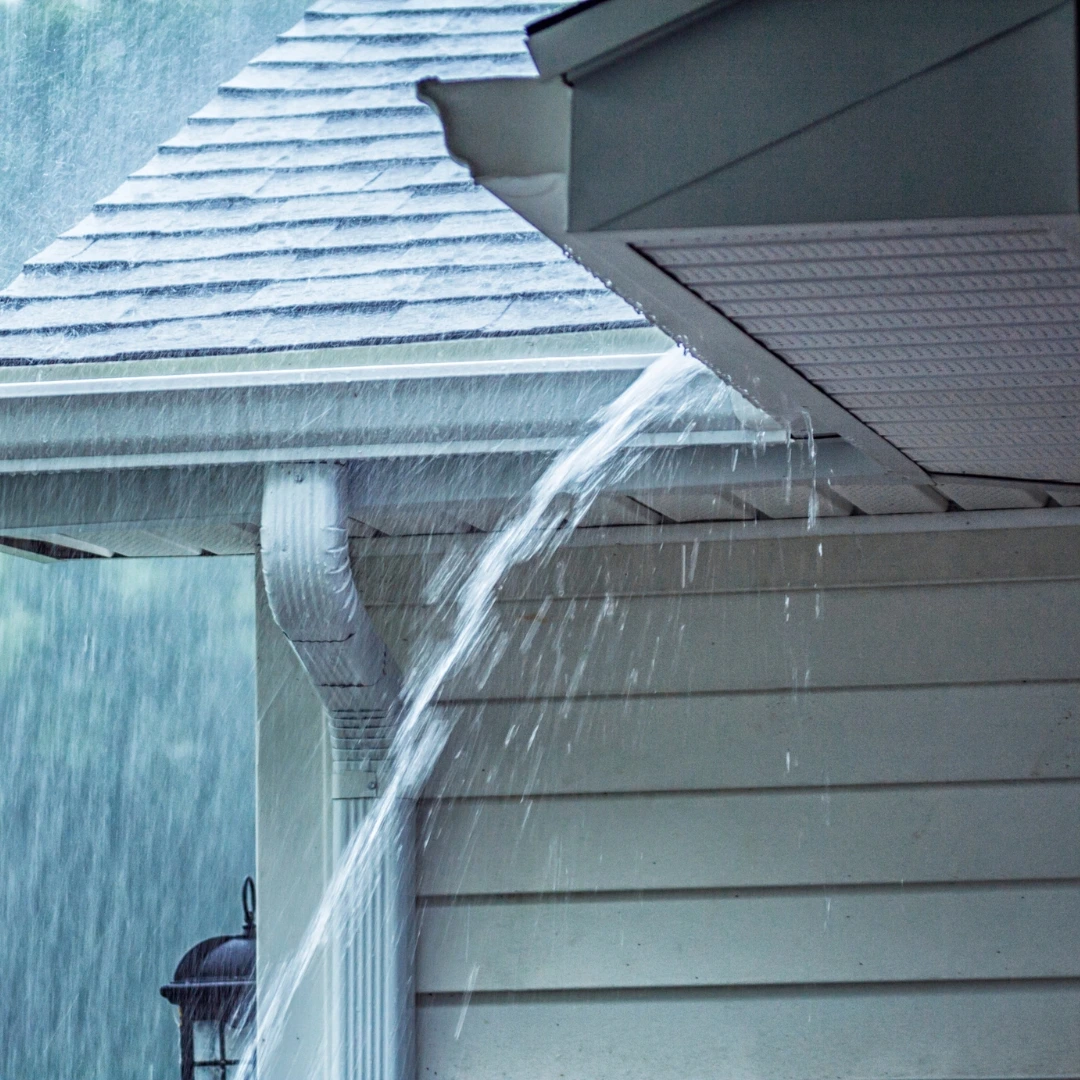
Myth: A Leak Inside Means the Hole Is Directly Above
The myth is that water enters the building right where you see the stain, so the patch should go directly above the ceiling tile. The reality is that commercial roof systems have insulation boards, cover boards, slopes, and seams that route water sideways for many feet before it finds a path down. We have tracked leaks that traveled twenty feet across a tapered insulation system before dripping. Finding the true entry point takes pattern reading, not guesswork, and our approach to leak origin detection versus repair covers why these are two different jobs that get billed differently. On a recent Farmersburg warehouse call, the stain was over a loading dock office, but the actual breach was at a rooftop unit curb sixty feet north, where condensate had cut a slow groove through the lap sealant. Patching above the office would have done nothing except cost the owner a service ticket and another wet ceiling tile the following week.
Myth: Flat Roofs Are Supposed to Hold Water
The myth is that ponding water on a low slope roof is normal and harmless. The reality is that standing water accelerates membrane breakdown, voids most manufacturer warranties after 48 to 72 hours, and adds significant dead load to the structure. A properly designed low slope roof drains within two days of a rain event. If you see persistent ponds, you likely have settled insulation, clogged drains, or a sagging deck that needs attention before the next storm cycle, not after. Ponding also concentrates dirt, algae, and UV exposure in the same spots, which is why you often see chalking, blistering, or crazing inside the pond outline long before the rest of the field shows wear. Tapered insulation crickets, additional drains, or sump pans usually solve the problem at a fraction of replacement cost.
Myth: You Should Wait Until Spring to Address a Roof Problem
The myth is that nothing can be done in cold or wet weather, so put it off. The reality is that emergency tarping, dry in, and many repairs proceed year round in Farmersburg when the work is scoped correctly. Waiting through a freeze thaw cycle often turns a $1,500 repair into a $9,000 section rebuild as water expands inside the assembly. If a leak is active, our commercial emergency roof repair team can stabilize the building first and schedule the permanent fix when conditions allow. Severity is assessed over the phone, inspections are scheduled quickly, and active leaks move to the front of the board so tenants and inventory stay dry while the permanent scope is built around the weather window.
Myth: Coatings Are a Permanent Fix
The myth is that a silicone or acrylic coating turns an old roof into a new one. The reality is that coatings are excellent at extending the life of a sound substrate by 10 to 15 years, but they cannot bridge wet insulation, structural cracks, or failed seams. A coating applied over saturated insulation traps moisture and rots the deck. The right sequence is moisture survey, replace wet areas, then coat. Skip the survey and you bought yourself an expensive paint job. Coatings also need clean, primed, and properly prepared substrates. Mil thickness matters, reinforcement at seams and penetrations matters, and the wrong product chemistry over the wrong membrane can peel within a year. A reputable Farmersburg Roofing proposal will spell out the prep scope, the product, the mil thickness, and the manufacturer warranty terms in writing.
Myth: Maintenance Programs Are Just an Upsell
The myth is that a semiannual maintenance contract is a way for the roofer to bill you for walking around with a clipboard. The reality is that the majority of commercial leaks start at penetrations, seams, and drains that a trained eye catches months before water finds the deck. Clearing debris from drains, resealing pitch pans, tightening loose termination bars, and replacing cracked pipe boots are twenty minute fixes on a maintenance visit and four figure repairs once they leak. Building owners who keep their roofs under a documented program typically see service life that runs five to eight years longer than identical roofs that get attention only after a stain appears on a ceiling tile. Maintenance records also preserve manufacturer warranties, most of which require documented inspections to remain in force.
Myth: Any Roofer Can Repair Any Commercial System
The myth is that a roof is a roof, and the crew that did your neighbor's shingles can patch your TPO. The reality is that single ply membranes need heat welding at precise temperatures, EPDM needs compatible primers and tapes, modified bitumen needs torch or cold applied adhesive matched to the existing plies, and metal panels need fastener and sealant systems that match the panel profile. Mixing systems voids warranties and usually fails within a season. Ask what membrane is on your building before you accept any bid. A qualified commercial contractor should be able to identify the system on sight, name the likely manufacturer, and tell you whether the original warranty is still in force. If the bidder cannot answer those questions in your parking lot, the proposal that follows is a guess dressed up in a price.
Myth: Hail Damage Is Always Obvious
The myth is that if the roof looks fine from the parking lot, hail did not hurt it. The reality is that hail bruises membrane and fractures the mat layer of modified bitumen in ways you cannot see from below. The damage shows up six to eighteen months later as accelerated cracking and leaks at the impact points. After a significant hail event, schedule a documented inspection within the insurance carrier's claim window, because waiting often means the claim gets denied as wear and tear. Our commercial roof inspection process includes photo documentation suitable for adjuster review. We also chalk circle every impact, note stone size where debris is still on the roof, and pull cores from representative hits so the adjuster has hard evidence rather than narrative. That documentation is often the difference between a covered claim and a denial letter.
Myth: A New Roof Is Always Cheaper Than Repeated Repairs
The myth is that once you have had two or three leaks, replacement is the only smart move. The reality depends on the age of the membrane, the percentage of the field that is compromised, and whether the insulation underneath is wet. We map moisture with infrared and core samples before recommending anything. If under 25 percent of the field is wet and the membrane has five or more years of useful life, targeted repair plus a restoration coating often beats replacement by a wide margin. We have seen Farmersburg Roofing clients defer a $180,000 tear off for another seven years by spending $22,000 on selective repair and coating. The opposite is also true. If the deck is rusted, the insulation is soaked across half the field, and the membrane is brittle, pouring more money into patches just delays the inevitable and adds interior damage to the bill.